

What "Being Supportive" really looks like
Are you supporting...or enabling?

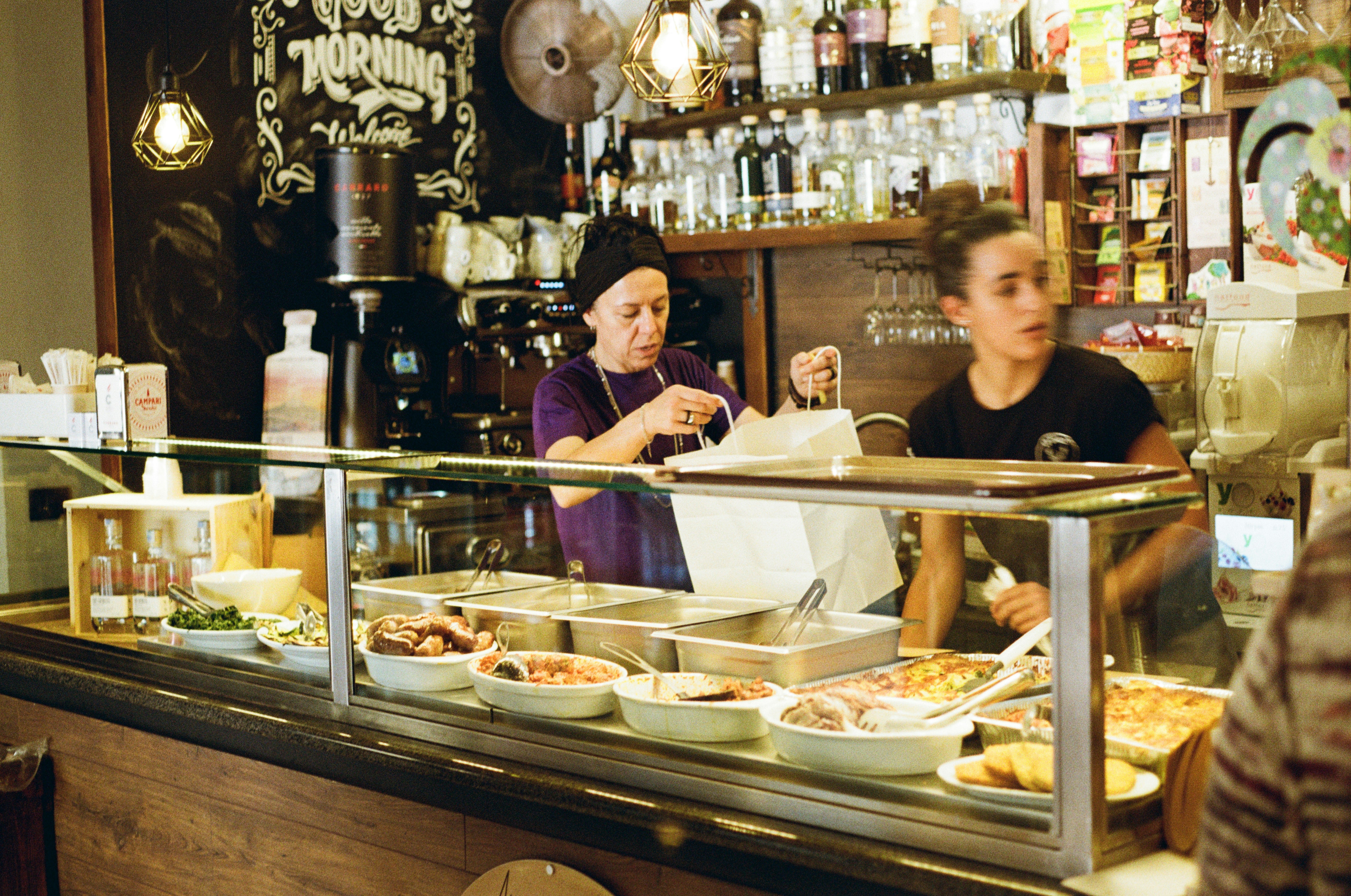
(Photo by Barney Goodman for Unsplash)
There’s support that makes someone feel good (and makes us look good) in the moment. And then there is support that actually builds capacity. Do you know the difference? Here’s why that matters.
A deli owner near my location, “Sandy”, has done her best to show support and accommodate the needs of her longest-employed manager. “Rachel” has been with the deli for over two decades, is very dependable and knowledgeable, yet she still shows little to no interest in taking initiative as a true leader in the business. Sandy is hesitant to take several weeks of needed family vacation without being able to fully trust her manager to handle the load. What to do? Hire a coach for Rachel of course! So my initial conversation with Sandy was less about the behavior of her manager, and more about her own approach to Rachel’s development.
Sandy’s face on the computer looks drawn and tense.
“I’m ok.” She answers to my initial “How are you doing?” Then…
“Actually, I’m really stressed about this situation with Rachel. She asked for another weekend off to deal with her kids and her sick mom, and yeah, I know she’s under a lot of stress. But so am I!” She looks off camera and her shoulders sag. “I don’t know how I’m ever going to go on a vacation.”
We talk for a little while and I learn more about how she has tried to incentivize Rachel to take more initiative.
“I’ve tried financial bonuses - which worked for awhile, but then she just kind of goes back to her baseline card-punching employee attitude.”
She looks directly at the camera
“I know she has a lot on her plate. She’s a single mom of two teenagers, and her mom just moved in with them. So I’ve supported her as much as I can through all of this - and the last thing I want to do is let her go…but I need her to step up!
The nature of Sandy’s support:
Rachel gets extended time off, she gets to leave early, whenever she’s short and impatient with customers Sandy looks the other way and asks her co-workers to do the same.
I had to ask:
“Sandy, have you ever just kindly shared your own perspective with Rachel? That you need a vacation and you are depending on her to step up?”
“Well….not in so many words.”
“Well, what about being very clear and specific about exactly what you need her to do in order to develop her skills as a manager?
I watch her shift uncomfortably, “Well I guess so, I mean, I always go out of my way to compliment her whenever she shows good management skills… but I guess I’ve been excusing her lapses rather than turning them into something teachable.”
I pushed her a little harder. “Then have you told her that, given all you’ve done to accommodate her situation, you need her to step up to the plate, or you will have to cut her hours and hire a new manager?” Sandy looked horrified at that suggestion.
And that was part of the problem.
Support That Enables vs. Support That Develops
There’s support that makes someone feel good in the moment and support that actually builds their capacity. When we consistently validate without challenging, we help someone feel seen while leaving their blind spots untouched. Real support includes both.
The Courage Support Sometimes Requires
It takes more courage to tell a friend their business plan has a serious flaw than to tell them it sounds great. It takes more courage to say ‘I’m worried about you’ than to say ‘you seem fine.’ Real support is not passive. It sometimes requires you to say the uncomfortable true thing with both hands - carefully, but fully. And it takes courage to set boundaries around your own needs as well. Sandy has been struggling with this - and both she and Rachel are affected.
Building Relationships Where This Is Possible
This kind of honest support doesn’t happen in every relationship - it requires a foundation of trust and genuine care. Explore what it takes to build relationships where real feedback is possible: the consistent demonstrations of care, the track record of being for someone, the relational bank account that makes the hard thing receivable. Rachel’s history in Sandy’s company demonstrates much potential in this area, but Sandy has yet to articulate this and to actively engage in her managerial development. I will certainly do my best to better position Rachel for this kind of journey - but Sandy will need to take a stronger role in it too.
Is there someone in your life who could use real support - not just validation - right now? What would it look like to offer that, carefully and fully?